Moving in London is rarely straightforward. Depending on where you are, the logistics can range from mildly awkward to genuinely complex. Narrow streets, strict parking enforcement, controlled zones, congestion charges, and buildings that were never designed with moving in mind all play a part.
Some boroughs are significantly harder to work in than others. After hundreds of moves across the capital, we’ve built up a clear picture of where the challenges tend to be, and what it takes to handle them properly.
The main things that make a borough difficult
It’s rarely just one thing. It’s usually a combination of:
- Parking and loading restrictions that limit where a vehicle can stop
- Controlled Parking Zones (CPZs) with varying hours and rules
- Long carry distances when the van can’t park close to the door
- Buildings without lifts, with shared stairwells, or with building management access rules
- Congestion Charge and ULEZ zones affecting vehicle routing and cost
- Red routes and time restrictions on major roads
With that in mind, here are the boroughs we see causing the most complications.
Westminster
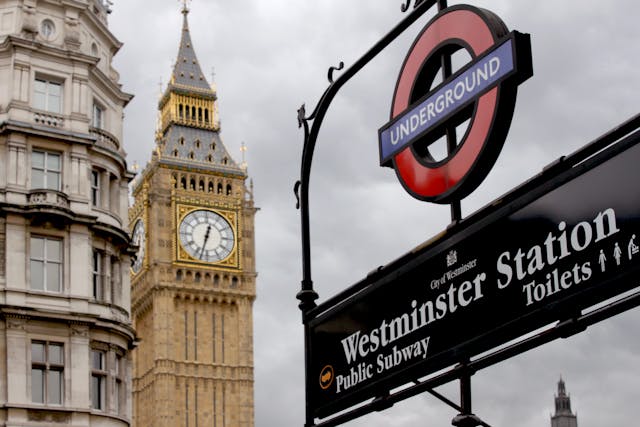
Westminster is consistently the most demanding borough in London for removals. Almost every street is covered by loading restrictions, resident permit bays, red routes, or some combination of all three. The windows for legitimate loading and unloading are short, and enforcement is active throughout the day.
Parking suspensions need to be applied for in advance, which adds lead time to any job here. We handle that process as part of our service, but it’s one reason we always ask for as much notice as possible for Westminster moves.
Kensington and Chelsea
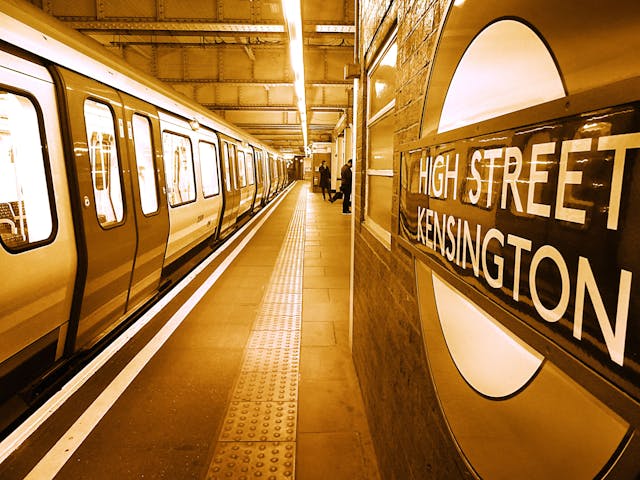
The borough is full of period mansion blocks, private estates, and converted townhouses with strict building management protocols. Access rules can dictate which entrance to use, what times the goods lift is available, and how items are moved through communal areas. Some buildings require written confirmation from the managing agent before a removals team can work on site.
The streets themselves are often narrow, with limited stopping options. Planning ahead and confirming access details early is non-negotiable here.
Camden
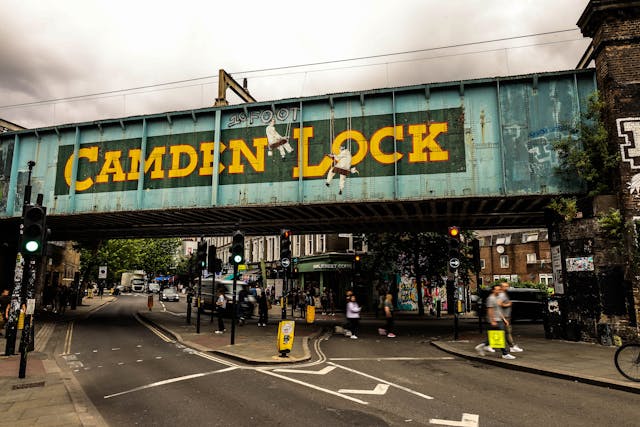
Camden covers a wide range of property types, from large Victorian houses in Hampstead to basement flats in Kentish Town and converted buildings around King’s Cross. The variety means each job needs to be assessed individually.
CPZ restrictions operate across much of the borough, and some of the residential streets behind the main roads are too narrow for a large removals vehicle to park on. Long carries from the van to the front door are common.
“Camden’s one of those boroughs where everything looks fine on the map and then you arrive and realise the van can’t get within 50 metres of the front door. We’ve done enough jobs there to know which streets need flagging early.” Manny, Happy2Move
Islington
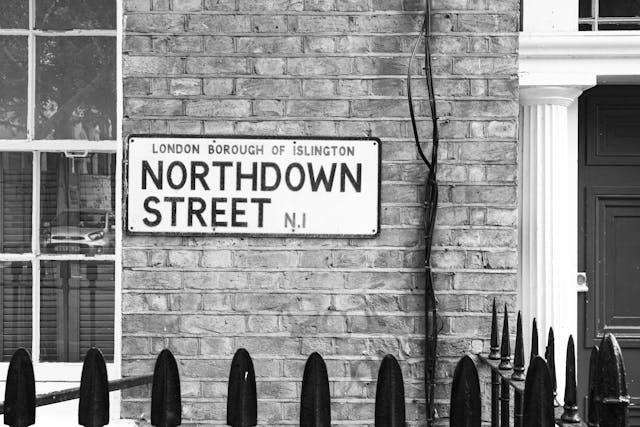
Islington has some of the most densely controlled parking in London. CPZs cover almost the entire borough, and the Victorian terrace conversions that make up much of the housing stock come with the usual complications: narrow hallways, steep stairs, no lifts, and sometimes very limited turning space for a vehicle.
The borough also sits within the Congestion Charge zone in parts, which affects vehicle routing and adds to planning time.
Tower Hamlets
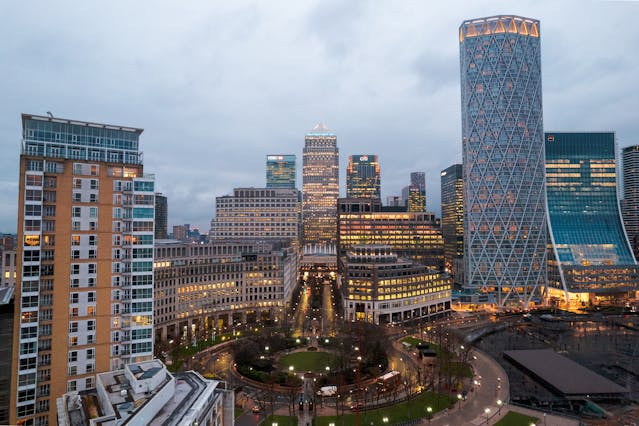
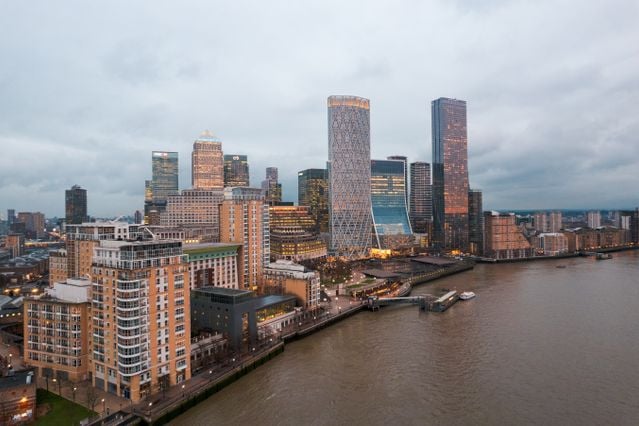
Tower Hamlets spans a huge range of property types, from Canary Wharf high-rises to Wapping warehouse conversions to dense residential streets in Bethnal Green and Bow.
The high-rise buildings are the ones that require the most forward planning. Service lifts typically need to be booked in advance through building management, and if that booking isn’t in place, the move can be delayed significantly on the day. We always confirm lift access before any job in a building with floors above three or four.
Hackney
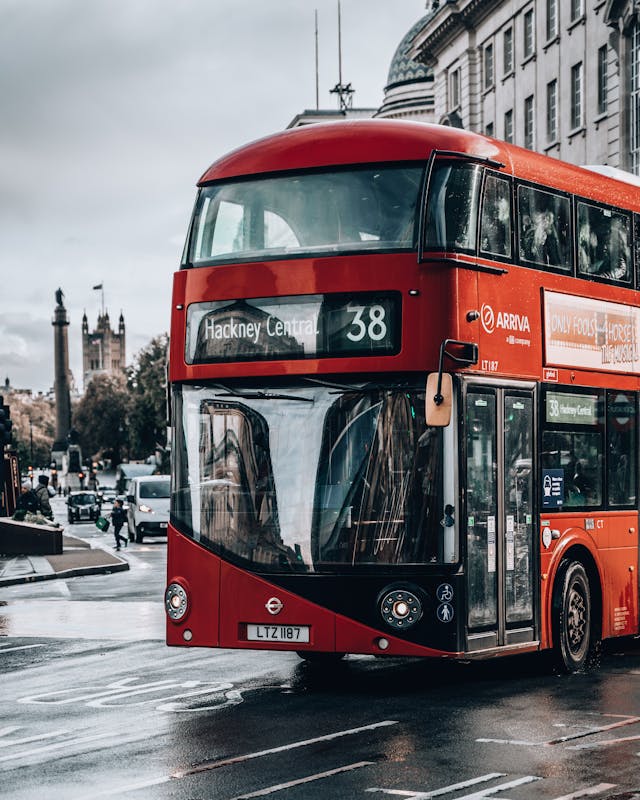
Hackney has seen enormous change over the past decade, but its road layout has not always kept pace. Traffic calming measures, one-way systems, road closures, and cycle infrastructure mean that navigating a large vehicle through parts of the borough takes local knowledge. Add CPZ restrictions and a housing stock that ranges from period terraces to postwar estates and newer developments, and you have a borough that genuinely rewards careful planning.
A quick comparison
| Borough | Main challenge | Key consideration |
|---|---|---|
| Westminster | Loading restrictions and enforcement | Parking suspension usually needed |
| Kensington and Chelsea | Building access protocols | Confirm access rules with management early |
| Camden | Narrow streets, CPZs, basement flats | Long carries are common |
| Islington | Dense CPZ coverage, period conversions | Limited stopping options near properties |
| Tower Hamlets | High-rise lift bookings | Book service lift well in advance |
| Hackney | Road layout and traffic restrictions | Route planning matters as much as parking |
What we do before every London move
We check the specific access situation for your address before we confirm timings. That means looking at parking restrictions, CPZ operating hours, building access requirements, lift availability, and carry distance. Where a suspension or dispensation is needed, we apply for it. Where building management needs to be involved, we make contact ahead of the day.
If you’re planning a move in any of the boroughs above, talking to us early gives us time to sort the details before they become problems on the day.
Get a quote for your London house removal and tell us your postcode. We’ll let you know what to expect.
You might also find our parking suspension guide useful, and if you want us to take packing off your hands as well, you can find out more about our packing service.