

Islington consistently ranks among the most in-demand areas in London. Rightmove’s 2025 buyer demand data puts it in the top ten, and Knight Frank reported average property sales prices rising 3.2% in the borough while much of the rest of London remained flat.
Average prices sit around £684,000 and average rents reached £2,763 per month in early 2026. These are markets underpinned by long-term desirability, not short-term sentiment.
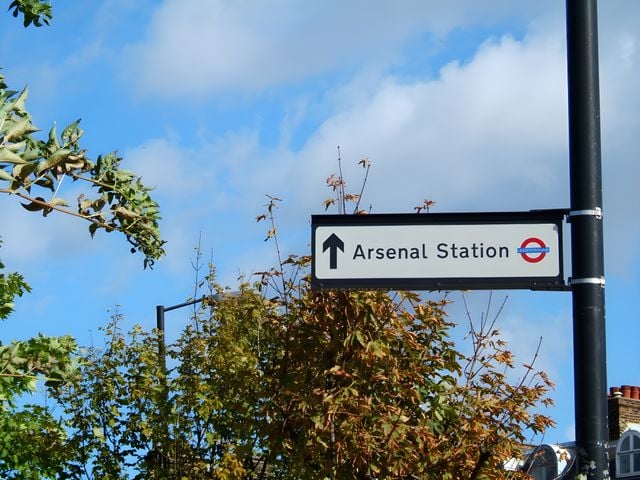
What draws people here is a combination that is genuinely hard to replicate: fast tube access to the City and West End, an exceptional stock of Georgian and Victorian period housing, a strong high street in Upper Street, and a neighbourhood feel that Central London addresses rarely manage.
If you are considering moving to Islington, here is what the different parts of the borough are actually like, and what to expect when moving day comes.
The different parts of Islington
Islington is a compact borough, but its neighbourhoods feel distinct enough that it is worth knowing which one you are actually choosing.
Angel and Upper Street are the most central and commercially active. Upper Street runs from Angel tube north toward Highbury, lined with restaurants, bars, independent shops, and theatres. The residential streets running east and west off the main road are quieter Victorian and Georgian terrace conversions. Convenient and well-served, though busy at weekends.
Canonbury sits east of Upper Street and is one of the most desirable pockets in the borough. The conservation area around Canonbury Square and the surrounding streets of period houses and cottage-style conversions attracts buyers who want calm residential streets with strong transport close by. It commands consistently high prices and low turnover.
Barnsbury covers the residential streets west of Upper Street and north of King’s Cross. A strong mix of families and professionals in well-proportioned Victorian terrace houses. Quieter than the Angel end, with good access to King’s Cross and St Pancras.
Highbury covers the northern part of the borough and centres on Highbury Fields, one of the best green spaces in inner North London. Larger Victorian houses, good schools nearby, and Highbury and Islington station on the Victoria line and Overground. Consistently popular with families upsizing from smaller Islington flats.
Clerkenwell sits on the southern edge of the borough, bordering the City. More commercial in character, with industrial conversions, creative offices, and apartment buildings. Well suited to professionals who want City proximity without City prices.
Archway and Holloway represent the most affordable end of the Islington market. More mixed in character but with improving amenity and strong Northern line connections.
Property prices
| Area | Approximate purchase range | Typical 2-bed rent |
|---|---|---|
| Canonbury | £900,000 to £1.4m+ | £2,800 to £3,500 pcm |
| Barnsbury | £800,000 to £1.2m | £2,600 to £3,200 pcm |
| Angel and Upper Street | £650,000 to £1m+ | £2,500 to £3,200 pcm |
| Highbury | £700,000 to £1.1m | £2,500 to £3,000 pcm |
| Clerkenwell | £600,000 to £950,000 | £2,400 to £3,000 pcm |
| Archway and Holloway | £450,000 to £700,000 | £2,000 to £2,500 pcm |
The ONS puts the average Islington house price at £665,000 as of April 2026, with average monthly private rents at £2,828 in May 2026, up 4.8% over the year.
Transport
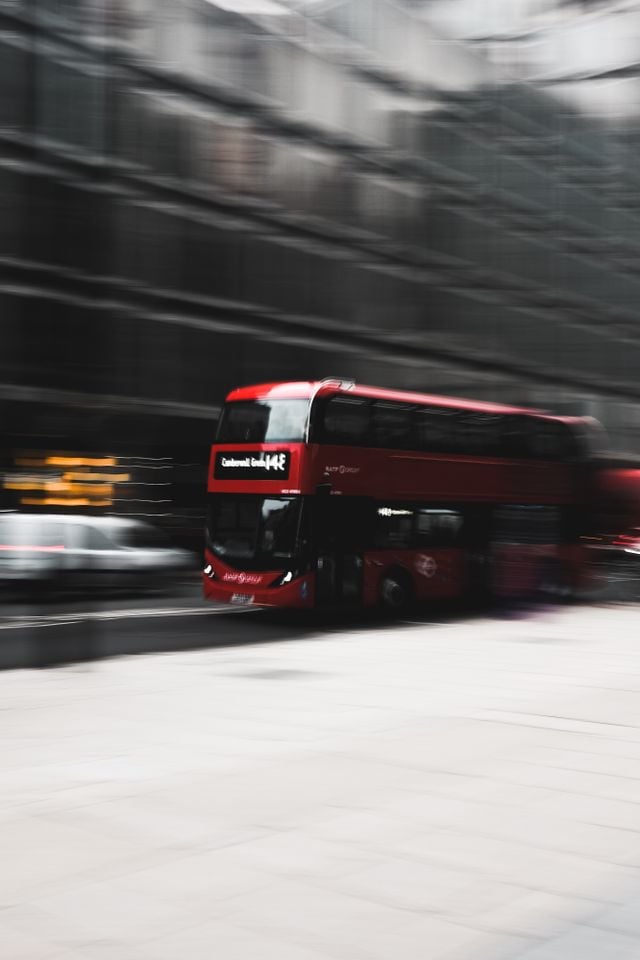
Islington has some of the best tube access of any residential borough in London.
- Angel (Northern line, Zone 1): Bank and London Bridge in under 10 minutes, King’s Cross in 3 minutes
- Highbury and Islington (Victoria line and Overground): Oxford Circus in around 10 minutes, with Overground connections across East and North London
- Finsbury Park (Victoria and Piccadilly lines): fast access south to the City and West End, and north toward Hertfordshire via Thameslink
- King’s Cross and St Pancras: on the southern edge of Barnsbury, walkable from much of the borough, with national rail, Eurostar, and six tube lines
Very little of Islington is more than ten minutes from a tube station. For most buyers, the transport picture alone justifies the price premium over equivalent housing further out.
Schools
Islington’s primary provision is considered strong across several parts of the borough, and Barnsbury and Highbury have the most consistent reputations among families. As with most inner London boroughs, catchments are tight and performance varies by individual school.
For secondary, state options are more mixed and worth researching carefully by specific address. Independent schools are well represented in nearby areas, including the City of London School and various options accessible from King’s Cross.
What moving into Islington actually involves
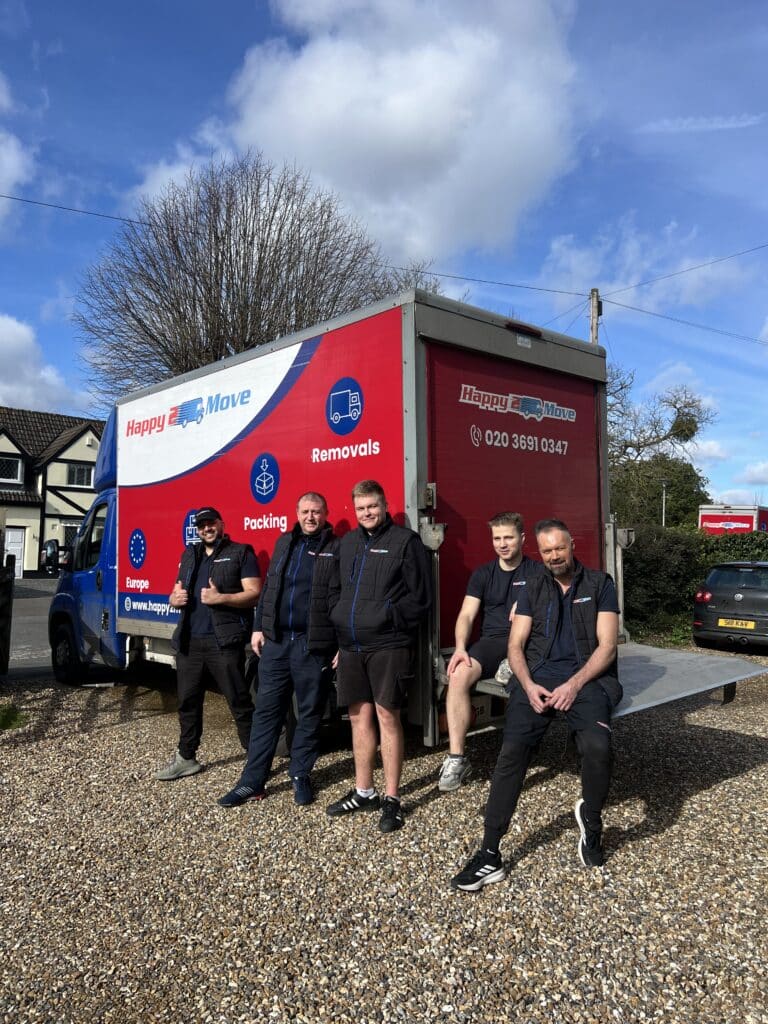
Islington is one of the more challenging boroughs for removals logistics. It has some of the densest Controlled Parking Zone coverage in London, and a parking suspension is required for almost every move in the borough. Applications go to Islington Council and need to be submitted with enough lead time to be confirmed before your moving date. We handle this as part of our service, but we need adequate notice.
The Victorian terrace conversions that make up most of the housing stock bring the familiar challenges of period property: narrow hallways, steep staircases, no lifts in most buildings, and limited access for large pieces of furniture. Basement flats are common and add another layer of complexity. Long carries from the van to the front door are not unusual, particularly on the streets with restricted parking.
Some streets in Canonbury and Barnsbury are narrow enough to restrict vehicle size. We always check the specific street and building before confirming a vehicle type for Islington jobs.
“Islington needs proper preparation. The parking has to be sorted in advance, full stop. And the conversions here can be very attractive properties with very demanding staircases. We find out all of that before the day so nothing comes as a surprise.” Manny, Happy2Move
We cover Islington as part of our regular North London work. Get a quote for your house removal, find out more on our Islington removals page, or read our parking suspension guide to understand how the process works before you book.
If you are also looking at nearby areas, our guides to moving to Hackney and moving to Clapham are worth a read.